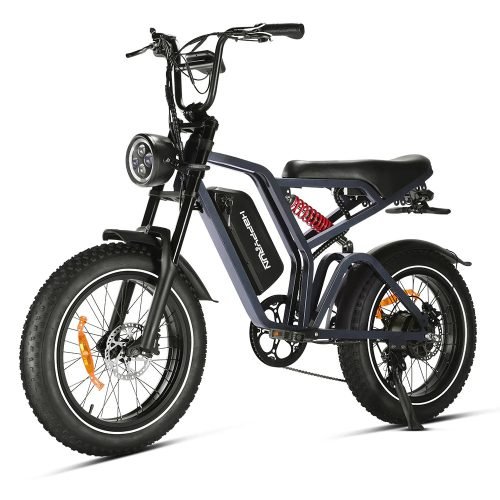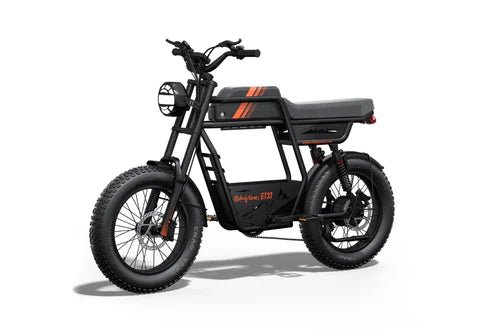
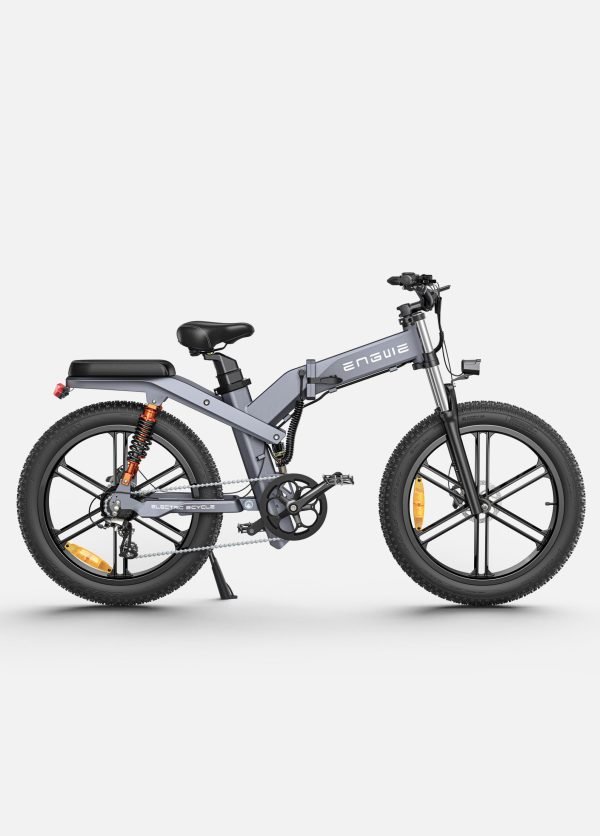
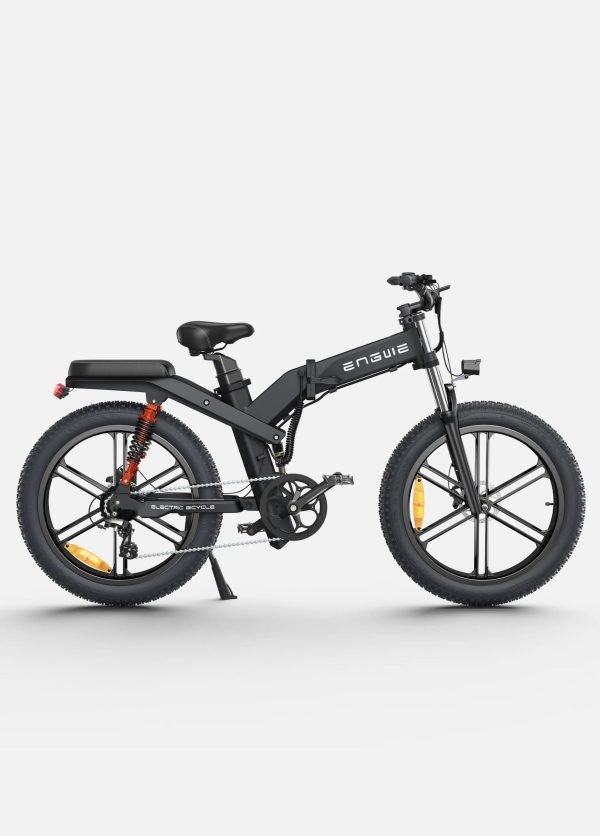
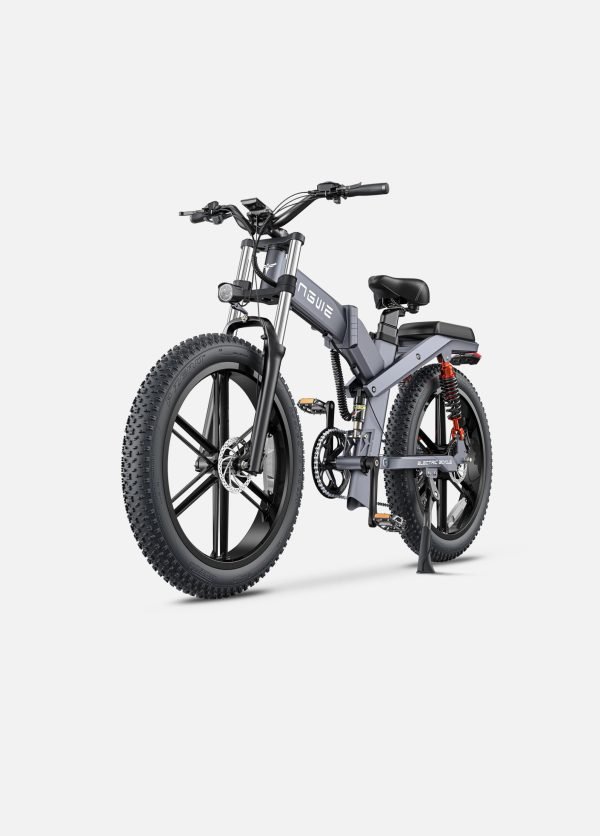
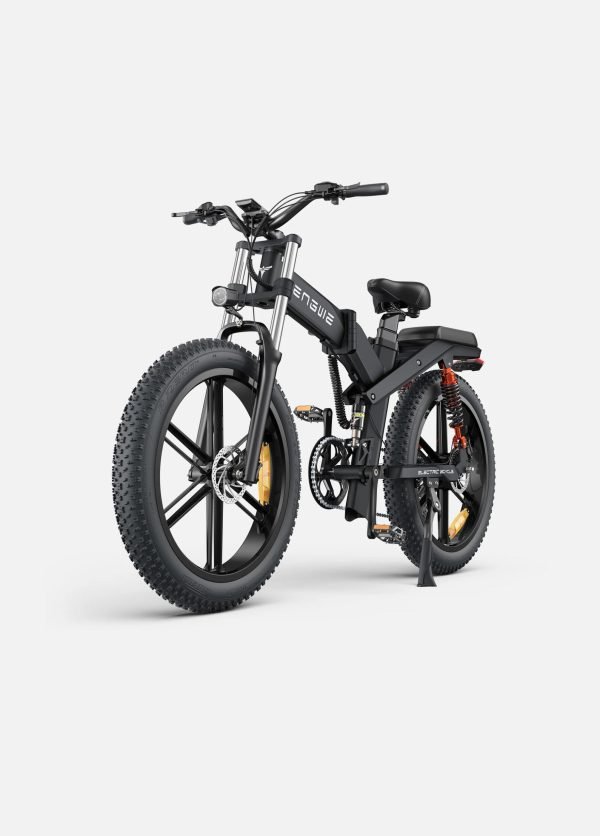
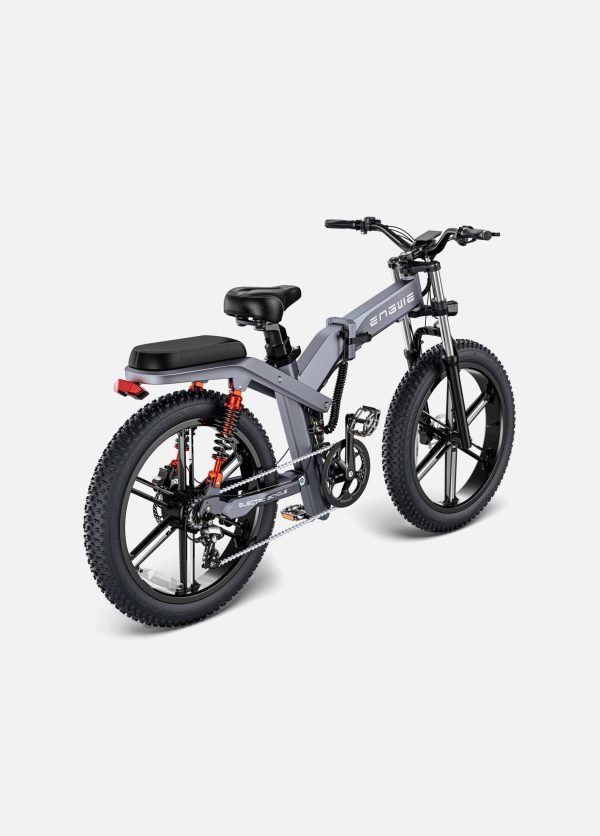
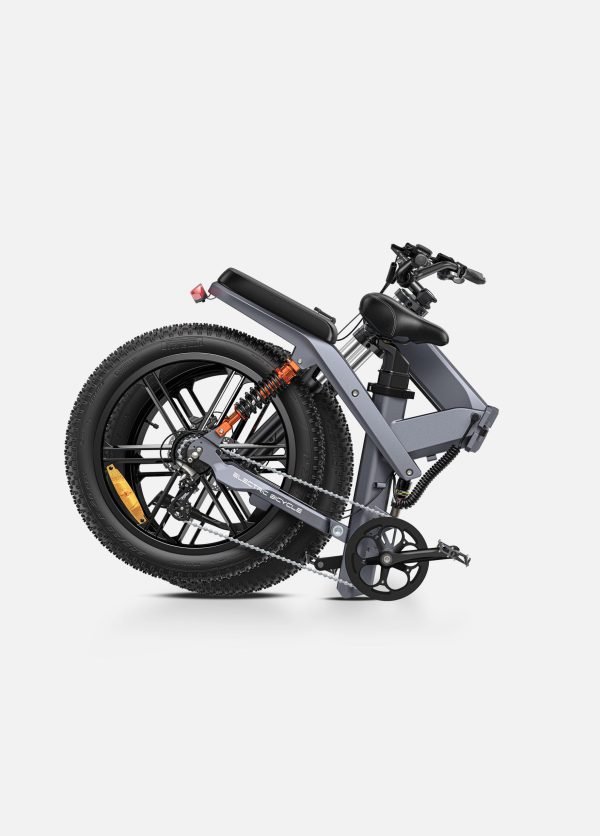
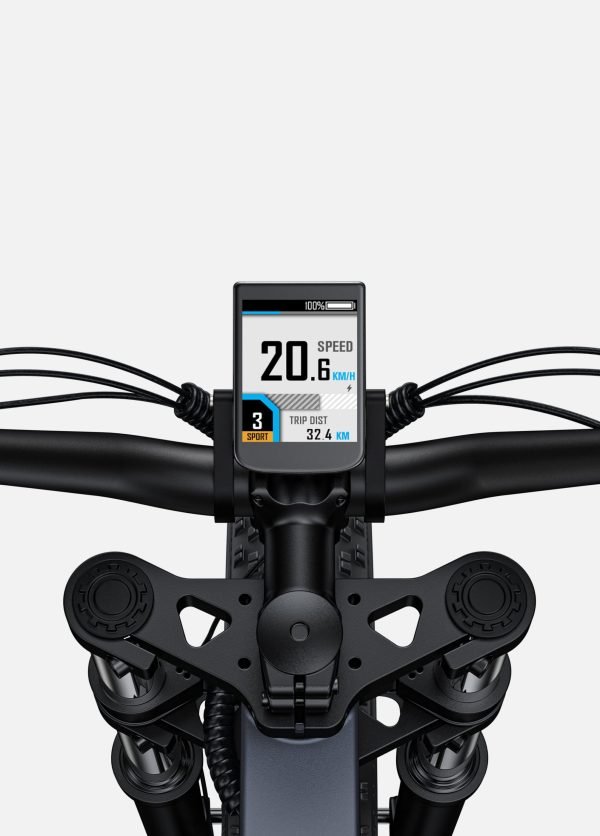
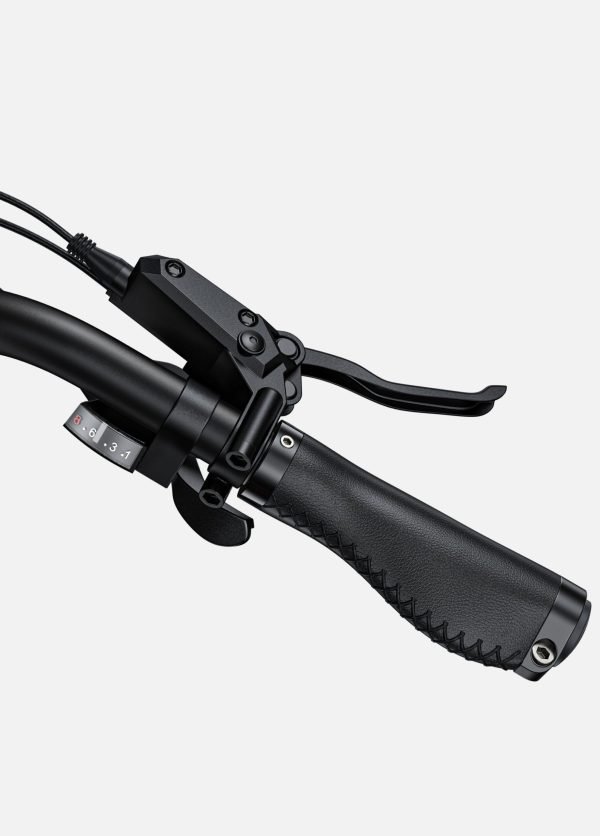
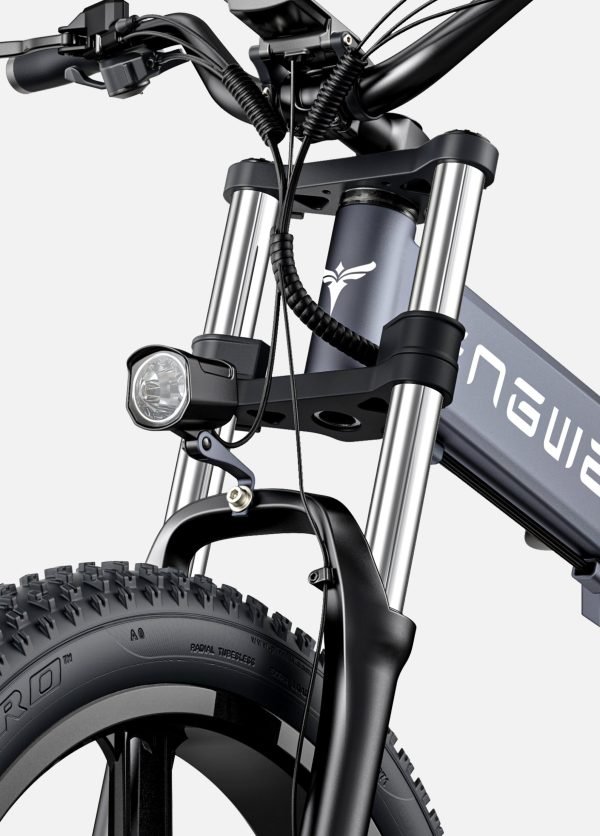
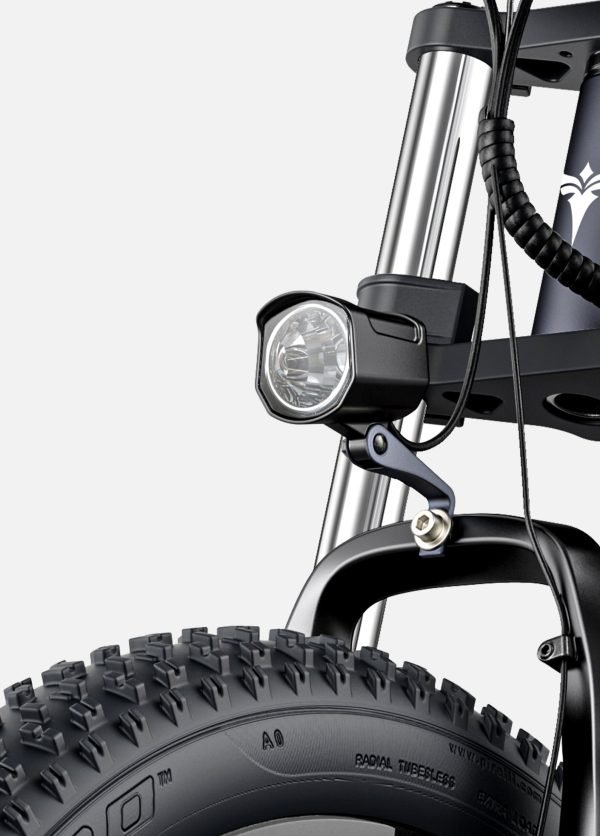
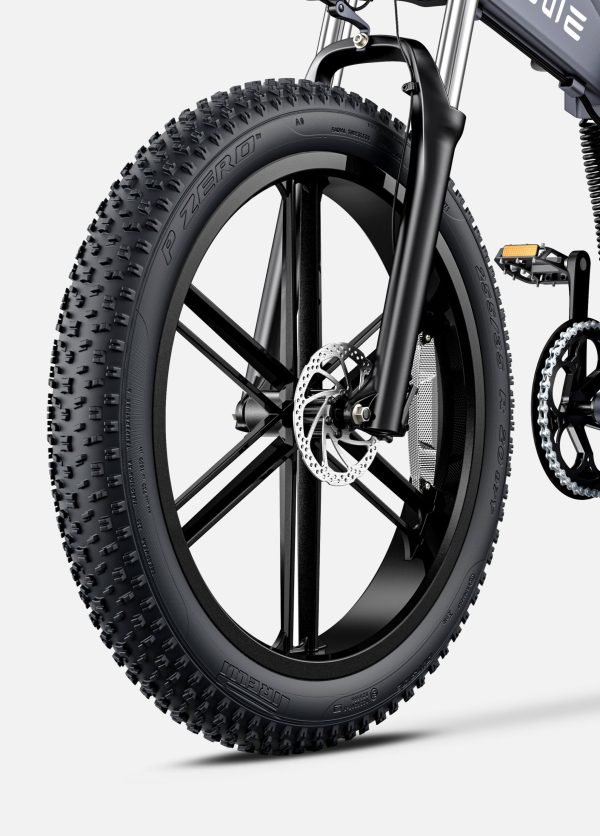
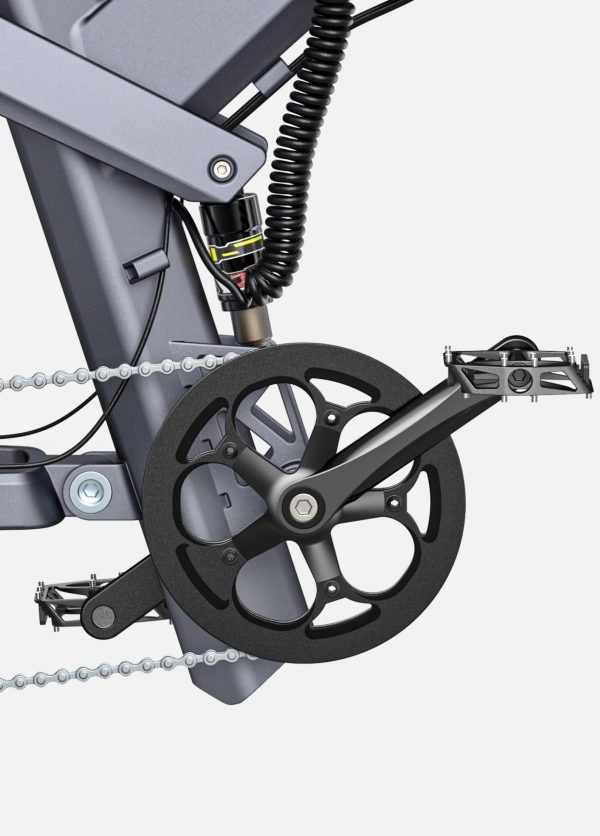
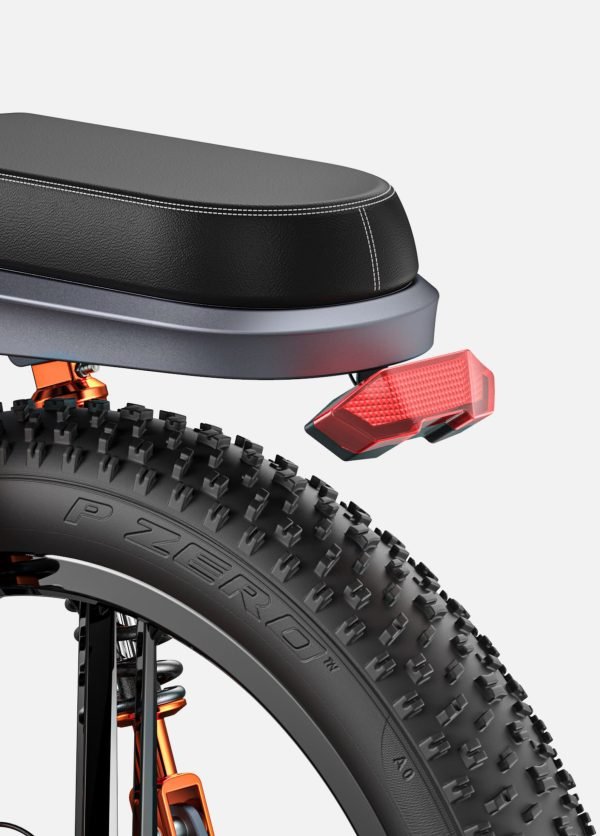
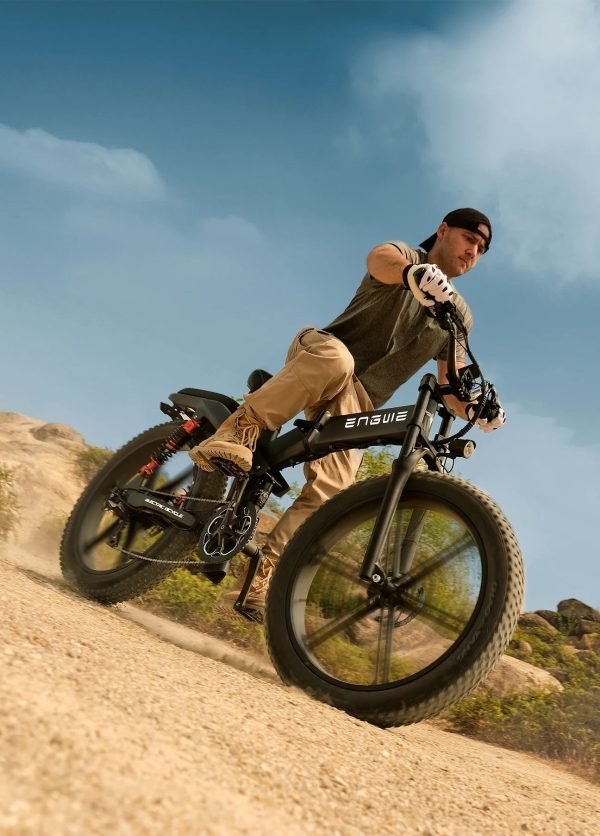
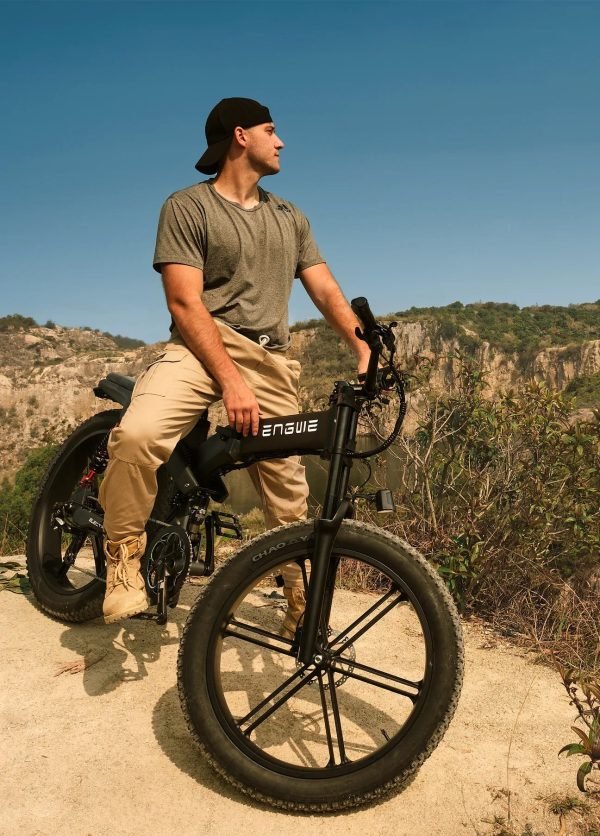
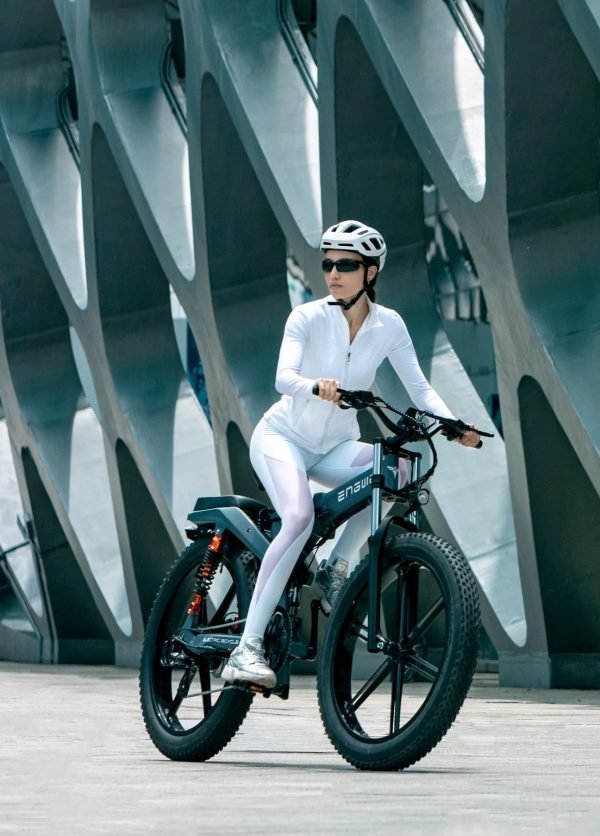
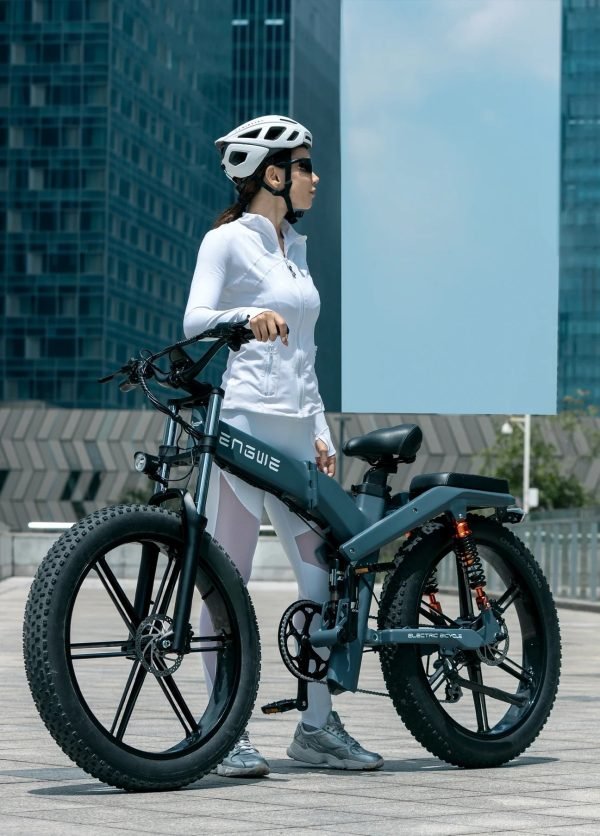
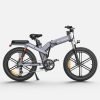
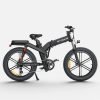
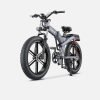
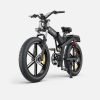
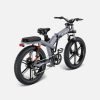
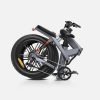
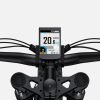
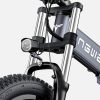
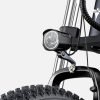
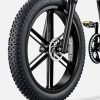
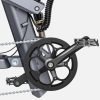

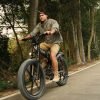
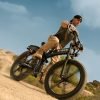
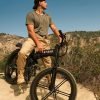

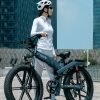
ENGWE X26 48V 19Ah/29Ah 1000W All-Terrain Electric Bike
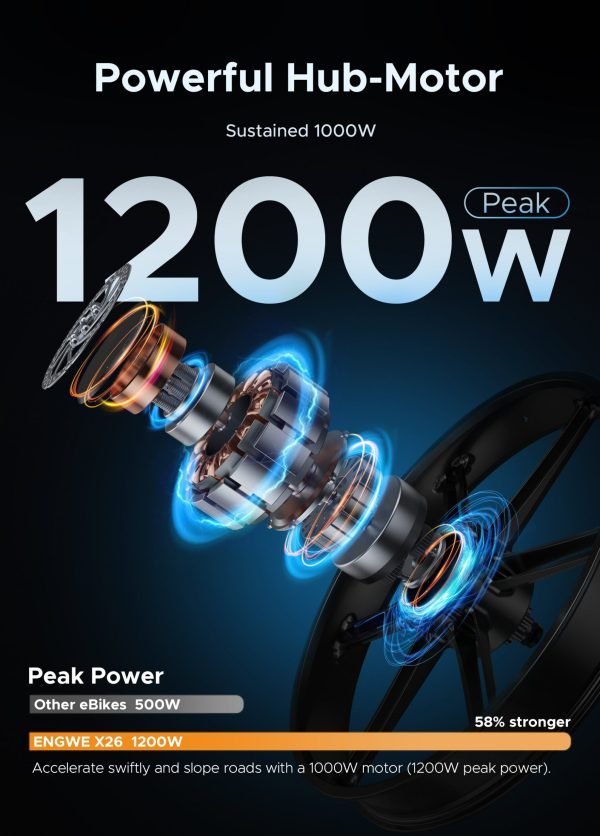
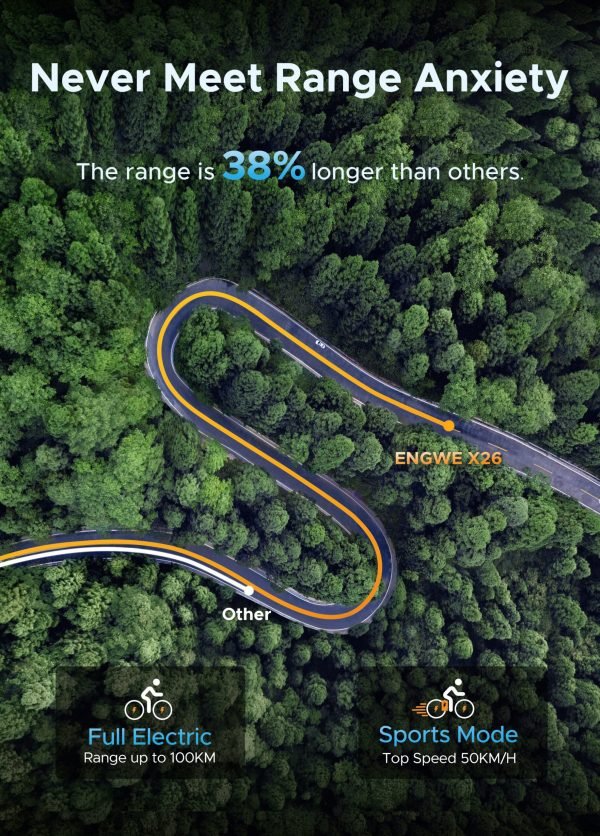
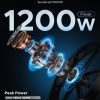
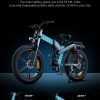
The ENGWE X26 48V 19Ah/29Ah 1000W All-Terrain Electric Bike is an electric bike. It combines a 1000W (1200W Peak) high-speed brushless motor, a top speed of 31 mph (50 km/h) and up to 62 miles / 100 km of range.
Browse it alongside the rest of our electric bikes, compare the specs below, and choose the setup that fits how you ride.
At a glance
- Speed: up to 31 mph (50 km/h)
- Range: 62 miles / 100 km per charge
- Power: 1000W (1200W Peak) high-speed brushless motor
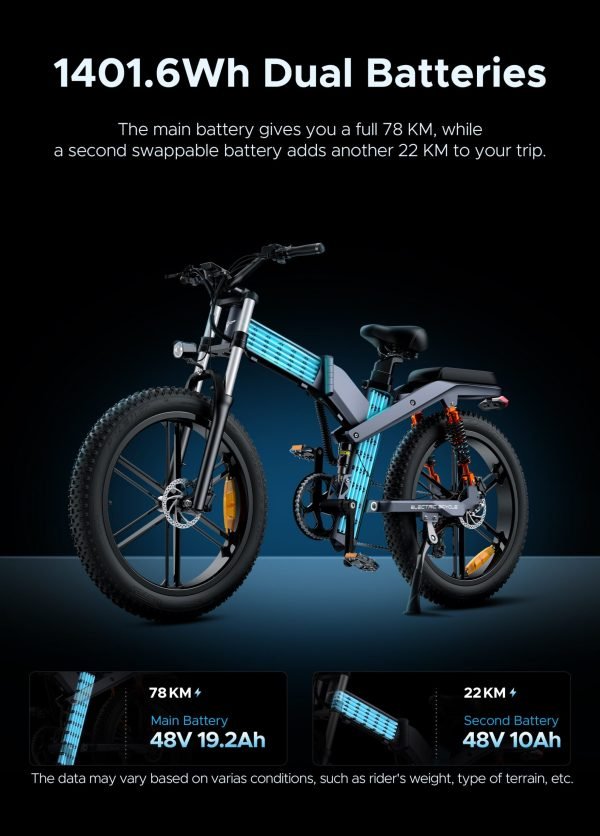
- Battery: 48V 19.2Ah Lithium-Ion Battery
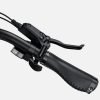
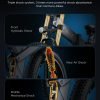
- Braking: Hydraulic front & rear brake
- Max load: 330 lbs (150 kg)
Full specifications
| Specification | Detail |
|---|---|
| Motor | 1000W (1200W Peak) high-speed brushless motor |
| Battery | 48V 19.2Ah Lithium-Ion Battery |
| Top Speed | 31 mph (50 km/h) |
| Range | 62 miles / 100 km |
| Brakes | Hydraulic front & rear brake |
| Max Load | 330 lbs (150 kg) |
| Rider Height | 5’57”-6’89” (170-210 cm) |
| Charge Time | about 12 hours for 2 batteries |
| Product Weight | 90.39 lbs (41 kg) |
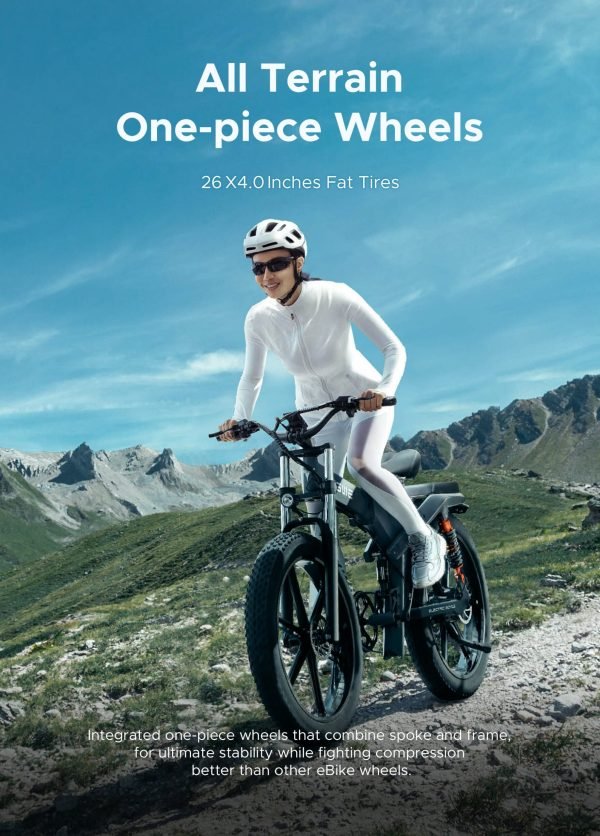
| Dimensions | 26 x 4.0 inches |
Who it’s for
This one is built for riders who want pedal-optional range and easy hills. It supports riders up to 330 lbs (150 kg) and suits riders around 5’57”-6’89” (170-210 cm).
Key features
Purpose-built power
The 1000W (1200W Peak) high-speed brushless motor pushes this electric bike to 31 mph (50 km/h).
Battery and range
A 48V 19.2Ah Lithium-Ion Battery pack delivers up to 62 miles / 100 km per charge, recharging in 12 hours for 2 batteries Maximum climbing.
Control and comfort
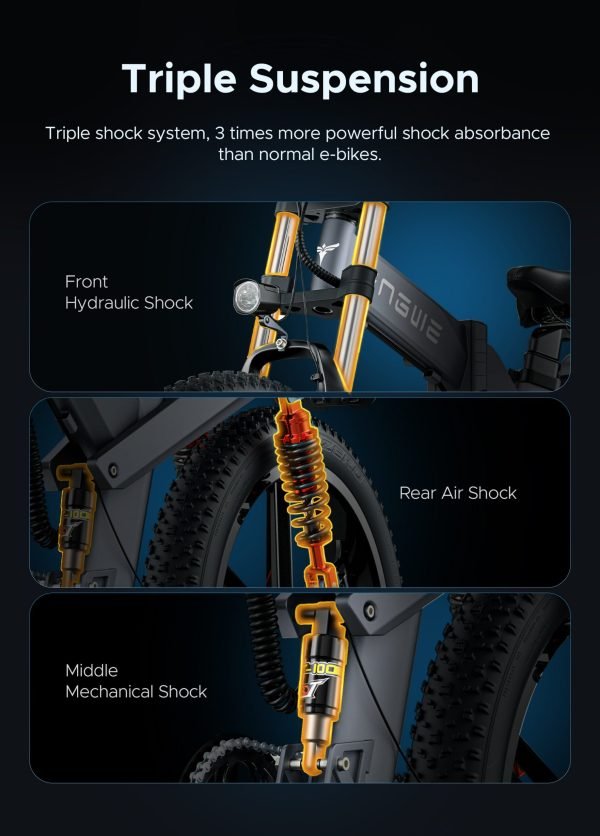
It pairs Hydraulic front & rear brake for confident stopping.
Explore more
Frequently asked questions
How fast is the ENGWE X26 48V?
It reaches 31 mph (50 km/h).
How far can it go, and how long does it take to charge?
Up to 62 miles / 100 km per charge, and it recharges in 12 hours for 2 batteries Maximum climbing. Real-world figures vary with rider weight, terrain and speed.
What is the maximum rider weight?
Up to 330 lbs (150 kg).
Always ride with a properly fitted helmet and appropriate safety gear. For riding-safety and battery-care guidance see NHTSA and Battery University.